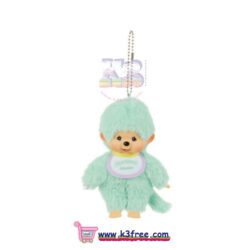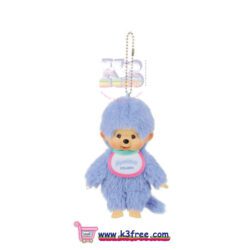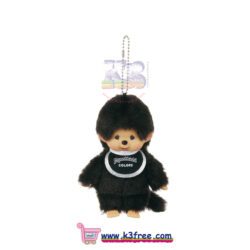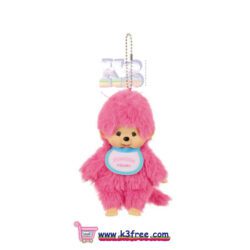

★Monchhichi★
The Evolution of Monchhichi
From a doll in nothing but a bib to three generations under one roof — how Monchhichi kept growing and filling out its world.
Monchhichi Beyond the Bib
The Rise of “Boutique Monchhichi”
1976: an interchangeable clothing range arrives in answer to fan demand.
The effect: Monchhichi turned from a static doll into a dynamic play system, fuelling a collecting boom and growing into a lifestyle brand.
The strategic shift: outfits are no longer sold separately; today Sekiguchi sells themed dolls that come fully dressed.
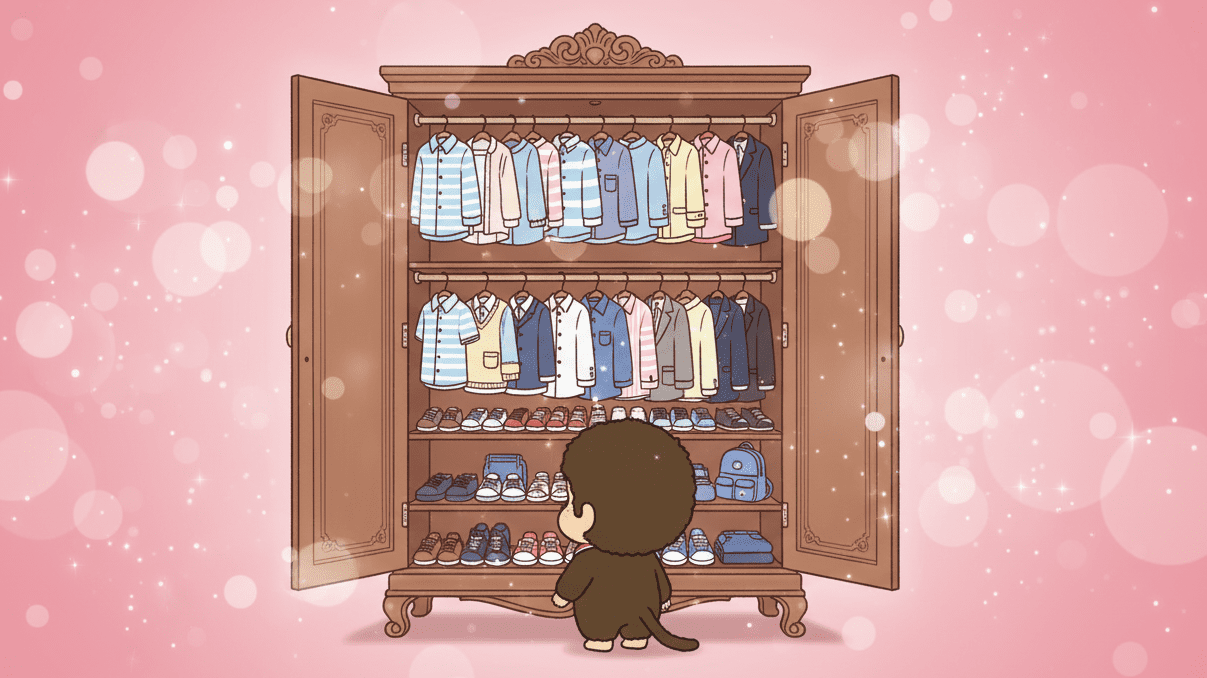
In 1976 Sekiguchi made a decision of real strategic weight and launched “Boutique Monchhichi”, a range of several hundred interchangeable outfits. It was a direct answer to the market: fans had grown tired of a Monchhichi that wore nothing but a bib.
The range changed the way Monchhichi was played with entirely. What had been a static doll became a lively, open-ended play system. Children and collectors alike could dress their Monchhichi and change its look, which added enormously to the fun and, not incidentally, to the appetite for repeat purchases and complete sets. Furniture, stationery, watches and other merchandise followed in short order, and a simple doll was successfully rebuilt as a fully fledged lifestyle brand.
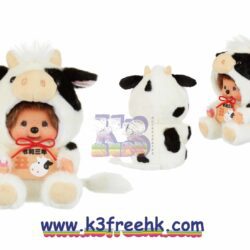
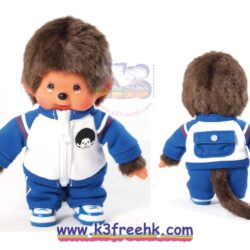
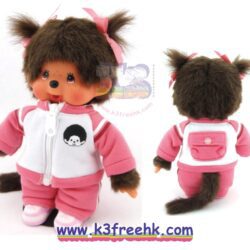
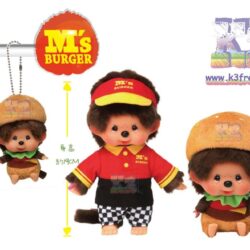
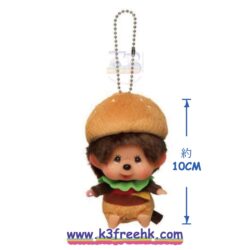
Interestingly, that sales model stands in sharp contrast to today’s approach. Sekiguchi no longer sells furniture or clothing separately; instead it sells Monchhichi dolls that arrive fully dressed in a particular theme. The change reflects a shift in consumer behaviour — away from the interactive pleasures of playing and dressing up, and towards a more modern, more visual appetite for collecting and display.
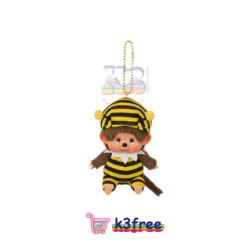
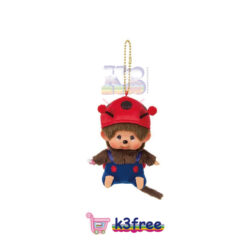
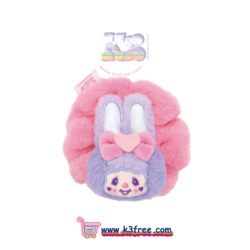
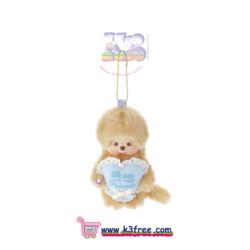
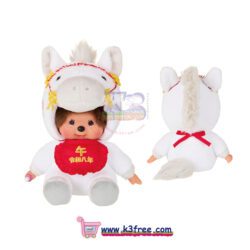
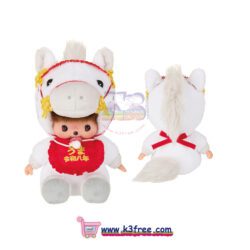
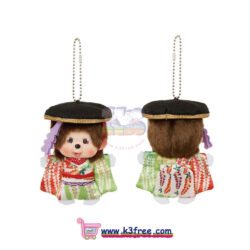
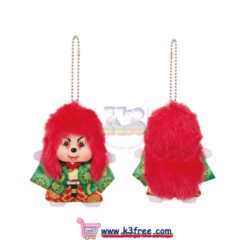
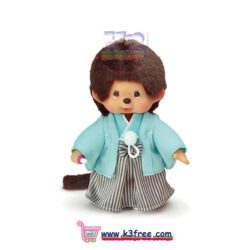
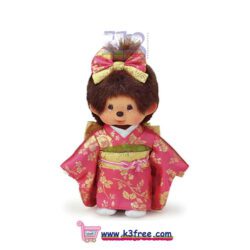
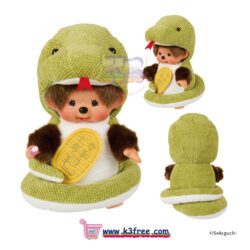
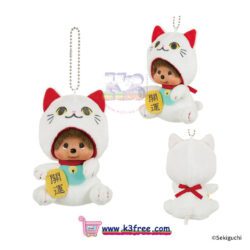
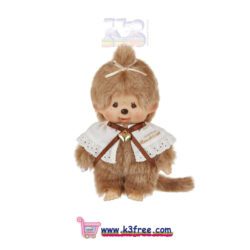
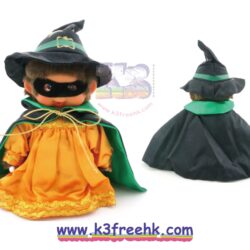
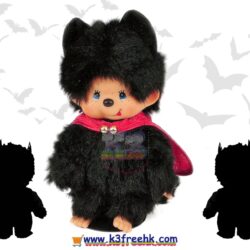
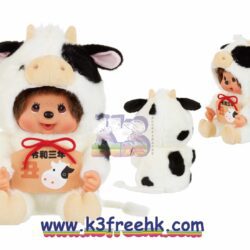
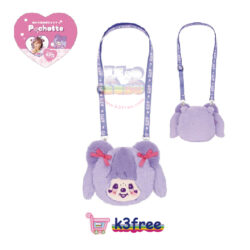
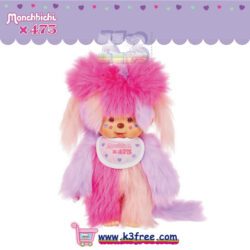
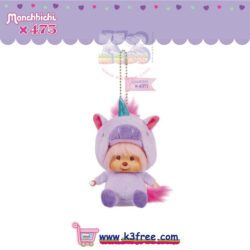
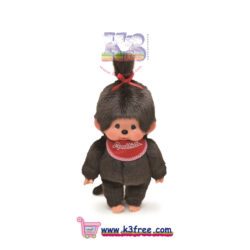
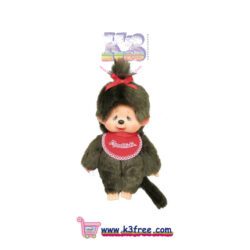
The themed clothing styles mentioned above:
Buyer’s Guide: Spotting a Genuine Monchhichi, What It Costs and Where to Buy
Every Monchhichi at K3 Shop is imported from Japan and is 100% genuine Sekiguchi merchandise.
How Do You Tell a Genuine Monchhichi from a Fake?
| Feature | Genuine | Common giveaways of a fake |
|---|---|---|
| Freckles | Four or five under each eye, three across the bridge of the nose | Wrong number, set too low, or no freckles on the nose at all |
| Face, hands and feet | Soft vinyl with a gentle spring to it | Cheap rigid plastic that feels hard and unyielding |
| Soles of the feet | Later Basic Edition dolls in size S and above carry an embossed “Monchhichi” or “Sekiguchi” stamp | Stamp missing, or the lettering is crooked |
| Body tag | Fabric tag carrying the full product information | Tag missing, or the typeface and colours are wrong |
| Eyes (for dating) | Blue = before 1985; brown = after 1985 | — |
Want to learn how to tell the Sekiguchi and Mattel eras apart from the foot stamp, or what the tag lettering should look like? Read The Monchhichi Collector’s Handbook: A Complete Guide to Authentication and Dating.
How Much Does a Monchhichi Cost?
| Basic Edition (standard / large) | Around HK$158–458 |
|---|---|
| Animal Costume series | Around HK$278 |
| Crossover collaborations (Hello Kitty, Heidi and others) | Around HK$208–328 |
| Bebichhichi series | Around HK$128–208 |
| Seasonal and holiday limited editions | Around HK$158–268 |
Prices shown on the product page always take precedence. Browse the full Monchhichi range at K3 Shop.
Where Can You Buy a Genuine Monchhichi?
Order online: place your order directly in the Monchhichi section — free delivery on orders over HK$380.
WhatsApp enquiries: Monday to Friday, 15:30–20:00 (closed at weekends)
WhatsApp UsReturns and exchanges: if an item has a fault or does not match its stated specification, please request an exchange within seven days of the delivery date. See the K3 Shop returns and refunds policy.
The year and the story behind every single design change are laid out in Monchhichi: Fifty Years of a Legend.
Prices are those shown on the K3 Shop product pages.
The Monchhichi Family Grows
From a Birth to Three Generations Under One Roof
2004 (30th anniversary): Monchhichi-kun and Monchhichi-chan are officially married.
New arrivals: their children, the Bebichhichi, make their entrance and open up a whole new product line.
2016: GrandPa and GrandMa dolls are released, completing the family story.
The Monchhichi world has never stood still; it has kept growing and expanding with the years. One important milestone came in 2004, when, to mark the brand’s thirtieth anniversary, Sekiguchi staged a wonderfully warm-hearted piece of marketing: Monchhichi-kun and Monchhichi-chan were officially married.
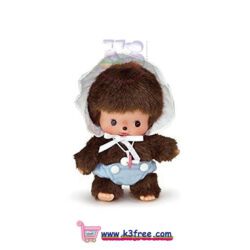
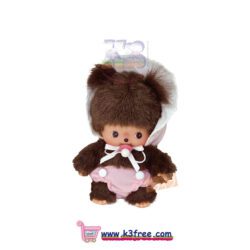
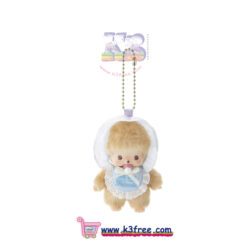
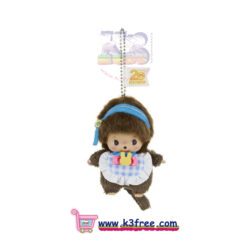
The wedding was more than a commemorative event; it brought new members into the family. The fruit of their love, the Bebichhichi (ベビチッチ), duly arrived. Their appearance added a fresh chapter to the Monchhichi story and, just as importantly, opened up an entirely new product line that drew in a new generation of fans.
The family narrative was enriched further in 2016, the year the GrandPa and GrandMa dolls made their formal debut (the grandmother doll is clearly recorded as a 2016 release). With the arrival of these kindly elders, the Monchhichi family structure was complete: what began as a simple doll had grown into a warm, multigenerational family saga.
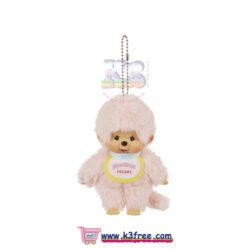
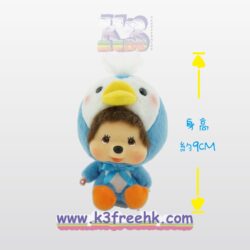
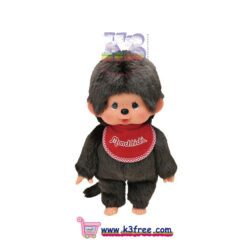
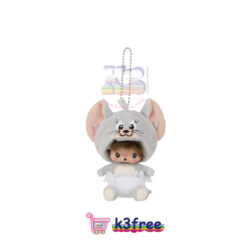
The Bebichhichi series mentioned above:
The Key Design Changes
A Changing Face
Eye colour (the big one): changed permanently from blue to brown in 1985.
What goes in the mouth: around 1980, the moulded thumb gives way to a separate, hand-held dummy.
Other details: the feel of the body plush changed after 1985, and Mattel’s dummies were a different colour from the Japanese ones.
For the seasoned collector, dating a Monchhichi comes down to knowing its small design changes. The most important and most decisive of them came in 1985, when Sekiguchi changed the eye colour permanently from its signature blue to brown. That single alteration remains the most direct and reliable way of separating the early dolls (1974–1985) from everything that came after.
The other significant shift came around 1980, when the moulded thumb was replaced by a separate, hand-held dummy. The original Monchhichi was designed with its thumb going straight into its mouth; many of the models released after 1980, and particularly those sold in the American market under Mattel, instead hold a separate dummy in the right hand. It is another useful clue to the year of manufacture.
There are subtler changes worth noting too. The feel of the body plush, for instance, altered after 1985. And once Mattel began production in 1980, the dummy that came with the doll shifted from the pale peach-pink of the early Japanese releases to a brighter pink. Small differences, all of them — but together they make up the rich evolutionary record of Monchhichi, and they are gold dust to a collector trying to authenticate a find.